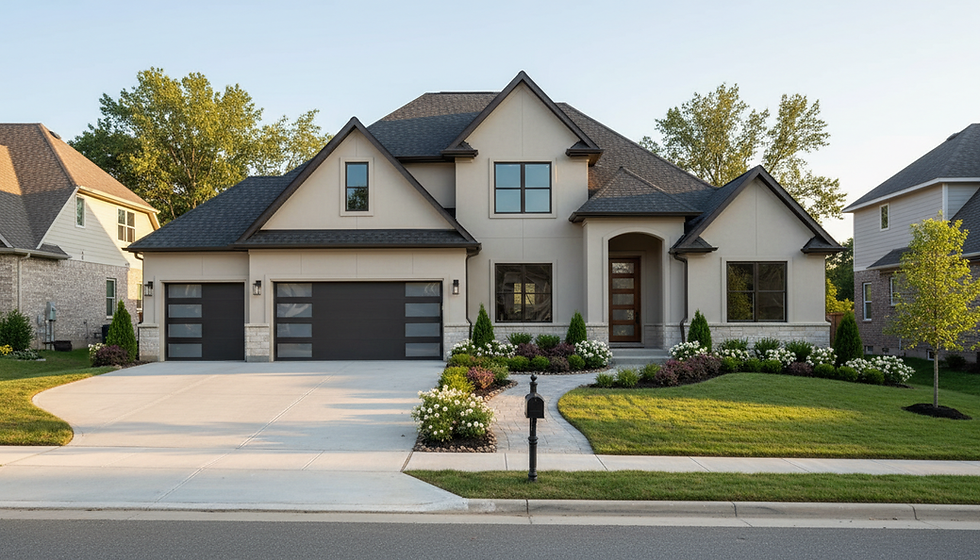
%20.png)
What Does It Cost to Sell a Home? Agent Fees, Closing Costs, and More
Selling a home can feel exciting until the expense list starts to grow. The sale price may be the headline number, but it is not the same as the amount that lands in a seller’s bank account.
Between agent commissions, closing costs, repairs, staging, and marketing, many sellers spend thousands before and at the closing table. The good news is that most of these costs can be planned for, compared, and sometimes reduced.
This guide breaks down the major costs of selling a home in the U.S. and shows how to budget with fewer surprises. This article is for general information only and is not financial, tax, or legal advice.

Real estate agent commissions are often the largest expense
For many sellers, agent commissions are the biggest line item. These fees are usually based on a percentage of the final sale price and are paid from the seller’s proceeds at closing.
The exact amount is negotiable and can vary by:
Local custom
Property price
Agent experience
Services included
Market competition
Whether one or more agents are involved in the transaction
A full-service listing agent may help with pricing, preparation advice, listing photos, private showings, open houses, offer review, negotiations, and contract management. That work can be valuable, especially in a complex sale.
Still, sellers should ask clear questions before signing a listing agreement:
What services are included?
Are professional photos included?
Is staging advice included?
How will the home be marketed?
What happens if the home does not sell?
Are any fees due if the listing expires?
Tip for budgeting
Ask the agent to prepare a seller net sheet. This document estimates the sale price, commissions, closing costs, mortgage payoff, and expected net proceeds. It will not be perfect, but it gives a useful starting point.
Closing costs can reduce your net proceeds
Closing costs are the transaction expenses paid when the sale is finalized. Some are paid by the buyer, some by the seller, and some may be negotiated in the purchase contract.
Common seller closing costs may include:
Cost | What it covers |
Title-related fees | Title search, title insurance, or settlement services, depending on local practice |
Transfer taxes | Taxes charged when ownership changes hands |
Recording fees | Government fees to record sale documents |
Prorated property taxes | The seller’s share of taxes up to the closing date |
HOA fees | Transfer fees, document fees, or unpaid dues |
Mortgage payoff costs | Remaining loan balance, interest, and possible payoff fees |
Seller concessions | Credits given to the buyer for closing costs, repairs, or rate buydowns |
In some areas, transfer taxes are modest. In others, they can be a meaningful expense. Local custom also matters. A cost that sellers usually pay in one state may fall to buyers in another.
Market conditions can also change the picture. In a strong seller’s market, buyers may ask for fewer concessions. In a slower buyer’s market, sellers may need to offer credits to keep a deal together.
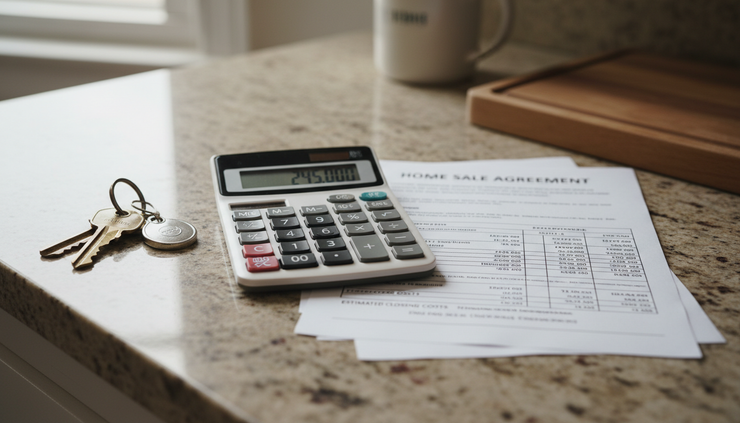
Repairs and staging can affect both cost and sale price
Preparing a home for sale is one of the trickiest budget decisions. Spend too little, and buyers may discount the property. Spend too much, and the extra work may not pay for itself.
Repairs usually fall into two groups.
Necessary repairs
These fix problems that could scare buyers or derail financing. Examples include active leaks, broken windows, unsafe steps, damaged flooring, pest issues, or major systems that do not work as expected.
Cosmetic improvements
These help the home show better. Examples include fresh paint, updated light fixtures, landscaping, new cabinet hardware, or carpet cleaning.
Staging is another possible cost. Full staging can be useful for vacant homes because it helps buyers understand room size and flow. For occupied homes, lighter staging may mean decluttering, rearranging furniture, adding neutral bedding, or improving curb appeal.
Not every home needs major upgrades. A dated but clean home may sell well if priced correctly. A move-in-ready home may attract stronger offers in a competitive neighborhood.
Tip for budgeting
Before spending money, ask the listing agent which improvements buyers in the area actually value. Focus on items that improve first impressions, remove obvious objections, or support the asking price.
Marketing expenses depend on the sales strategy
Marketing costs may be included in the listing agent’s services, but sellers should confirm that upfront.
Common marketing expenses include:
Professional photography
Floor plans
Video or 3D tours
Yard signs
Brochures or printed materials
Open house preparation
Premium listing features, when used
High-quality photos are often one of the best marketing investments because many buyers decide whether to visit a home after viewing the listing online. A dark, cluttered, or poorly framed photo can make a good home look less appealing.
Luxury homes, rural properties, vacation homes, and unique properties may need more marketing than a typical suburban home. A large property might benefit from drone photography. A historic home may need stronger listing copy and more detailed feature descriptions.

Location and market conditions change the final cost
Selling costs are not the same everywhere. A seller in a high-cost coastal city may face different transfer taxes, labor costs, staging rates, and buyer expectations than a seller in a smaller inland market.
Location can affect:
Commission norms and service options
Local taxes and government fees
Title and escrow customs
Repair labor costs
Staging and photography prices
Buyer expectations for upgrades
How common seller concessions are
Market conditions matter just as much. In a hot market with limited inventory, sellers may spend less on concessions and still attract multiple offers. In a slower market, buyers have more negotiating power. They may ask for repairs, closing cost credits, or price reductions after inspection.
The home’s condition also changes the math. A well-maintained home may need only cleaning and small touch-ups. A home with old systems, deferred maintenance, or strong odors may require a larger prep budget.
How sellers can budget and protect their profit
A smart selling budget starts before the home goes live. Guessing at the numbers after accepting an offer can lead to stress and rushed decisions.
Use these steps to stay grounded:
Estimate your net proceeds early
Start with a realistic sale price, then subtract mortgage payoff, commissions, closing costs, repairs, staging, moving costs, and possible concessions.
Get more than one quote
Compare repair contractors, cleaners, photographers, movers, and staging options. Small differences can add up.
Separate must-do work from nice-to-have work
Fix safety, function, and obvious buyer concerns first. Be careful with expensive upgrades that reflect personal taste.
Leave room for negotiations
Inspection requests, appraisal issues, and buyer credits can change the numbers. Build a cushion into the budget.
Price the home with the market, not emotion
Overpricing can lead to longer market time, extra carrying costs, and later price cuts. A well-priced home often creates stronger buyer interest.
Review every fee before signing
Read the listing agreement, purchase contract, and closing disclosure carefully. Ask questions about any charge that is unclear.

The takeaway for home sellers
The cost to sell a home is more than one fee. Agent commissions, closing costs, repairs, staging, and marketing all shape the final number. Some expenses are required, some are negotiable, and some are strategic choices meant to help the home sell faster or for a better price.
The best move is to build a realistic seller budget before listing. Get local estimates, focus on improvements that buyers notice, and keep a cushion for negotiations. When the numbers are clear from the start, it becomes much easier to make smart decisions and protect more of the sale proceeds.